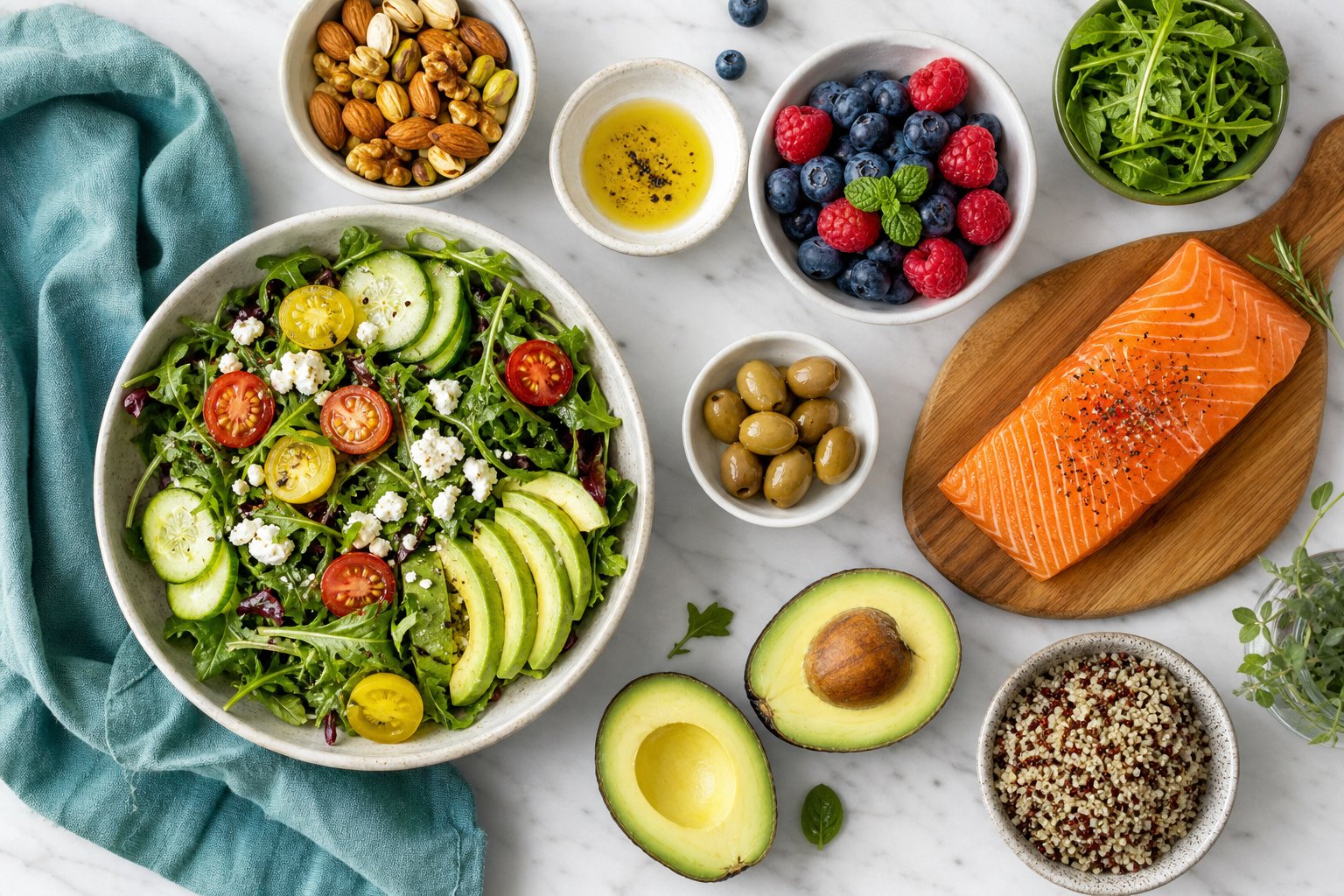
Nutrition advice travels fast, and much of it arrives stripped of context. By the time a claim reaches your feed it usually sounds absolute: never eat this, always eat that. Here are the myths our nutritionists spend the most time gently correcting — and what to do instead.
Myth: carbohydrates are the enemy
Carbohydrates are your body's preferred fuel, especially for your brain and muscles. The real difference lies in quality and quantity: whole grains, fruit, beans and starchy vegetables behave very differently from refined sweets and sugary drinks.
Instead of removing carbs, build meals around slow-releasing sources and pair them with protein and fibre to stay full for longer.
Myth: skipping meals speeds up fat loss
Skipping meals usually backfires. You end up over-hungry later, choosing whatever is quickest, and energy levels dip through the day.
A steadier rhythm of balanced meals supports blood sugar, mood and appetite control far better than willpower alone.
Myth: supplements can replace real food
Supplements can help in specific, diagnosed situations — but they cannot recreate the fibre, antioxidants and food compounds that work together in whole foods.
Test before you invest. A simple consultation and blood test will tell you what, if anything, you genuinely need.
“There is no single food that will fix your health, and no single food that will ruin it. Patterns matter far more than perfection.”
Myth: healthy eating has to be expensive or complicated
Frozen vegetables, seasonal produce, tinned beans, lentils, eggs and oats are affordable, long-lasting and nutritionally excellent.
Simple cooking beats fancy recipes. A few reliable meals you can prepare on autopilot will outperform an ambitious plan you abandon by Thursday.
What to remember
- Eat regularly rather than extremely.
- Choose mostly whole, minimally processed foods.
- Hydrate before you snack.
- Get guidance tailored to your body, not the internet.
Where we can help
If you have tried plan after plan without lasting results, the problem is very likely the plan — not you. Our wellness and nutrition team builds realistic programmes around your routine, taste and medical history, then adjusts them as you go.